
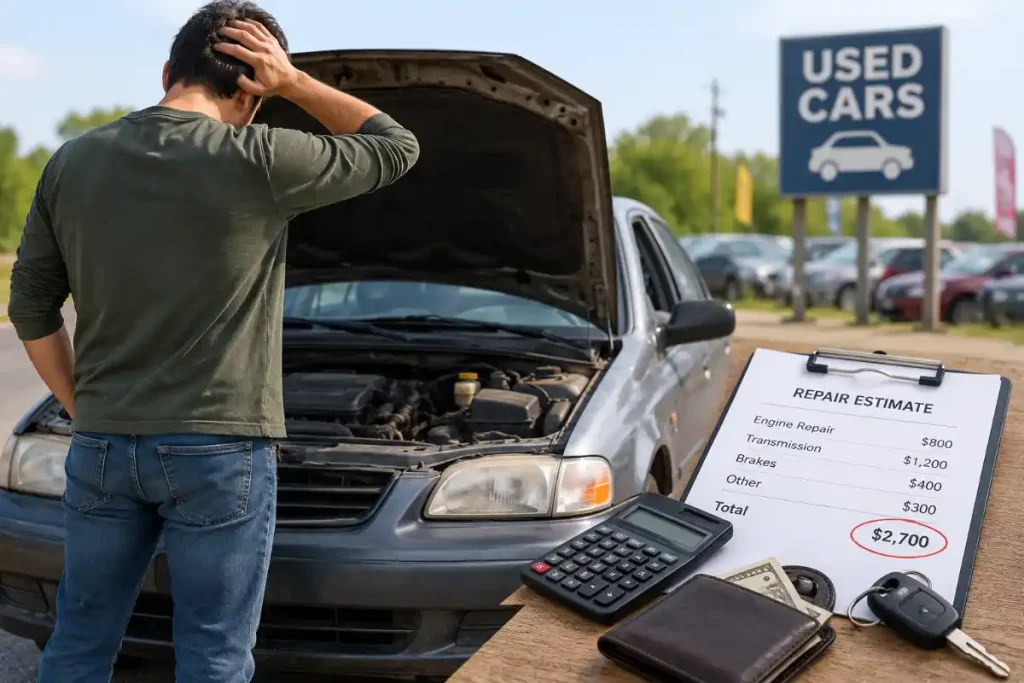
You find a used car that looks perfect. The paint is shiny, the seats are clean, and the price tag fits your budget perfectly. It feels like a smart financial move compared to buying a new vehicle. But sometimes, a bargain on the lot turns into a money pit once you get it home.
When you buy a used car, you are not just paying the purchase price. You are taking on the risk of past wear and tear. If that car starts having major mechanical issues after a few months, your budget might take a hit that you did not plan for. Understanding the hidden costs of a bad car purchase is key to protecting your savings.
The True Price of a Bargain
Most people look at the sticker price and assume that is the total cost. However, a cheap car can become expensive very quickly. If you pay 5,000 dollars for a car, but it needs a 2,000 dollar transmission fix shortly after, you have actually paid 7,000 dollars for it.
This is where many people run into trouble. They use all their available cash to buy the car itself, leaving no room for repairs. If you do not have an emergency fund specifically for your vehicle, you might be forced to put expensive repairs on a credit card. High interest rates on credit card debt can turn a bad situation into a long-term financial burden.
Why Repair Costs Add Up Fast
Car parts and labor are not getting cheaper in 2026. If you buy a vehicle that is ten or fifteen years old, you are likely to face some repairs. Some parts might be hard to find, which increases the price. Even simple fixes, like replacing a timing belt or fixing a leaky radiator, can cost hundreds of dollars at a professional shop.
You also have to consider the time you spend without a vehicle. If your car is in the shop for three days, you might need to pay for a rental car or use ride-sharing services to get to work. These are hidden costs that do not show up on the car’s title, but they show up on your monthly bank statement.
Checking the History Before You Pay
Before you hand over your money, you need to be a detective. A clean look on the outside does not mean the engine is healthy. Always ask for a full history report to see if the car was in any major accidents or if it spent time in flood zones. Water damage can cause electrical problems that never truly go away.
If you are not a mechanic, it is usually worth paying for a professional inspection. A trusted local shop can put the car on a lift and look for hidden rust, oil leaks, or worn suspension parts. Spending 150 dollars on an inspection can save you thousands of dollars in future repair bills. If the seller refuses to let you have it inspected, that is a major red flag.
The Math of Monthly Expenses
When you own a car, you have to account for more than just gas. Insurance costs for older, less reliable vehicles can sometimes be higher depending on the safety features included. You also have to think about fuel efficiency. If you buy a cheap, older truck that gets very poor gas mileage, your weekly fuel bill might be much higher than it would be with a newer, more efficient model.
You can use BestPicky Finance Tools to track your overall transportation spending. Keeping a record of your gas, insurance, and maintenance costs helps you see if your current vehicle is actually affordable or if it is secretly draining your bank account.
When Should You Walk Away?
It is easy to fall in love with a car, but you need to be realistic. If a vehicle has a history of major engine failure or if the frame has significant rust, you should probably walk away. No matter how low the price is, a car that does not run safely is not a deal. It is a liability.
Sometimes, the smartest financial move is to wait. Saving for a few more months to buy a more reliable car, or one with a better service history, is often cheaper than buying a broken one today. Patience is a powerful tool in personal finance.
Common Signs of a Car to Avoid
Not every car problem is obvious, but there are some warning signs you should watch for:
- Smoke from the tailpipe: Thick blue or white smoke can mean serious internal engine damage.
- Strange noises: Clicking or grinding sounds when you turn or brake are usually signs of worn-out parts.
- Inconsistent dashboard lights: If the check engine light or other warning symbols are flickering, it could point to expensive electrical gremlins.
- Evidence of leaks: Look for stains on the pavement where the car was parked. Oil or coolant leaks indicate that maintenance was likely ignored.
FAQs
How much should I set aside for car repairs?
A good rule of thumb is to keep a dedicated car repair fund of at least 1,000 dollars. If your car is older, you might want to keep more. This ensures that you do not have to rely on high-interest credit cards when something breaks.
Is it better to buy from a private seller or a dealer?
Both have pros and cons. Dealers often have to follow stricter rules and might offer a short warranty, but you usually pay a higher price. Private sellers might be cheaper, but you have very little protection if something goes wrong. Always do your research regardless of where you buy.
Can I negotiate the price if the car needs repairs?
Yes. If your pre-purchase inspection shows that the car needs new tires or a brake job, you can use that information to lower your offer. The seller might agree to a lower price rather than lose the sale.
Final Thoughts
Buying a used car is a common way to get around without a heavy monthly payment. However, it requires you to be smart about what you are buying. By doing your homework, getting an inspection, and keeping a buffer of cash for future repairs, you can avoid the most common financial traps.
Remember that a car is a tool for your life. It should help you get to your goals, not hold you back with unexpected expenses. If you find yourself constantly worried about your next breakdown, it might be time to rethink your vehicle choice.
For more tips on managing your money, check out our guide on how to build a solid foundation for your personal finances.
Want to Calculate Your SIP?

Click the button above and check your expected SIP returns instantly.